Cut and Paste Geometry Activity Pack
PREVIEW · mylessonkit.com
mylessonkit.com/store/linear-logic-studio
mylessonkit.com/store/linear-logic-studio
mylessonkit.com/store/linear-logic-studio
preview · mylessonkit.com/store/linear-logic-studio
Lines in Polygons Study Guide
Understanding Parallel and Perpendicular Sides
Polygons are two-dimensional closed figures formed by straight line segments called sides. In fourth-grade geometry, we classify polygons by examining how their sides relate to one another. Parallel lines are lines in the same plane that never cross or intersect because they always stay the exact same distance apart. Shapes such as rectangles, squares, and rhombuses have two pairs of parallel sides, whereas trapezoids have exactly one pair. Perpendicular lines are line segments that intersect to form a perfect square corner called a ninety-degree right angle. When two adjacent sides in a polygon meet at a right angle, those sides are perpendicular. A rectangle has four pairs of perpendicular adjacent sides, while a right triangle contains exactly one pair of perpendicular sides.
Parallel Lines
Perpendicular Lines
Right Angle
Intersecting Lines
Explain how you can test whether two adjacent sides in a polygon are perpendicular.
PREVIEW · mylessonkit.com
mylessonkit.com/store/linear-logic-studio
mylessonkit.com/store/linear-logic-studio
mylessonkit.com/store/linear-logic-studio
preview · mylessonkit.com/store/linear-logic-studio
Sorting by Parallel Pairs
Classifying 2D Shapes by Parallel Sides
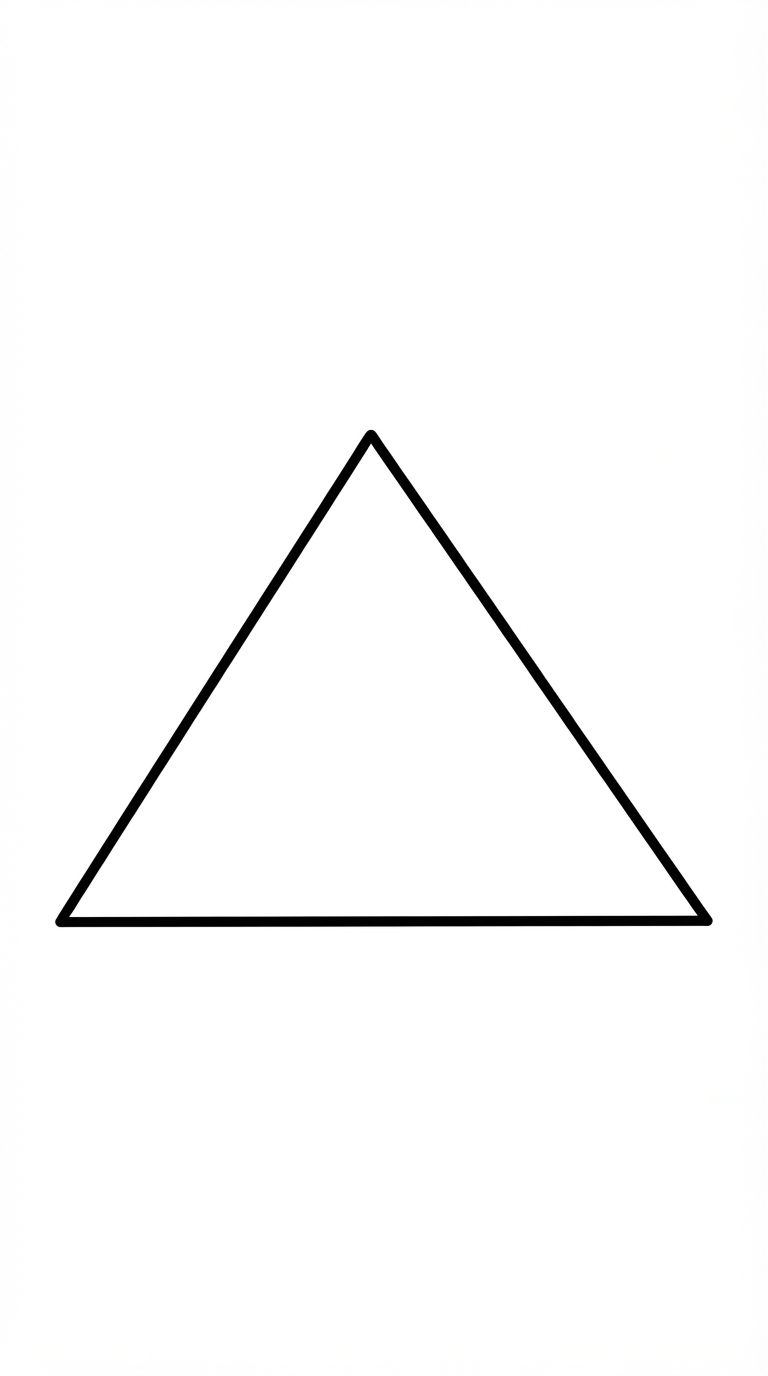
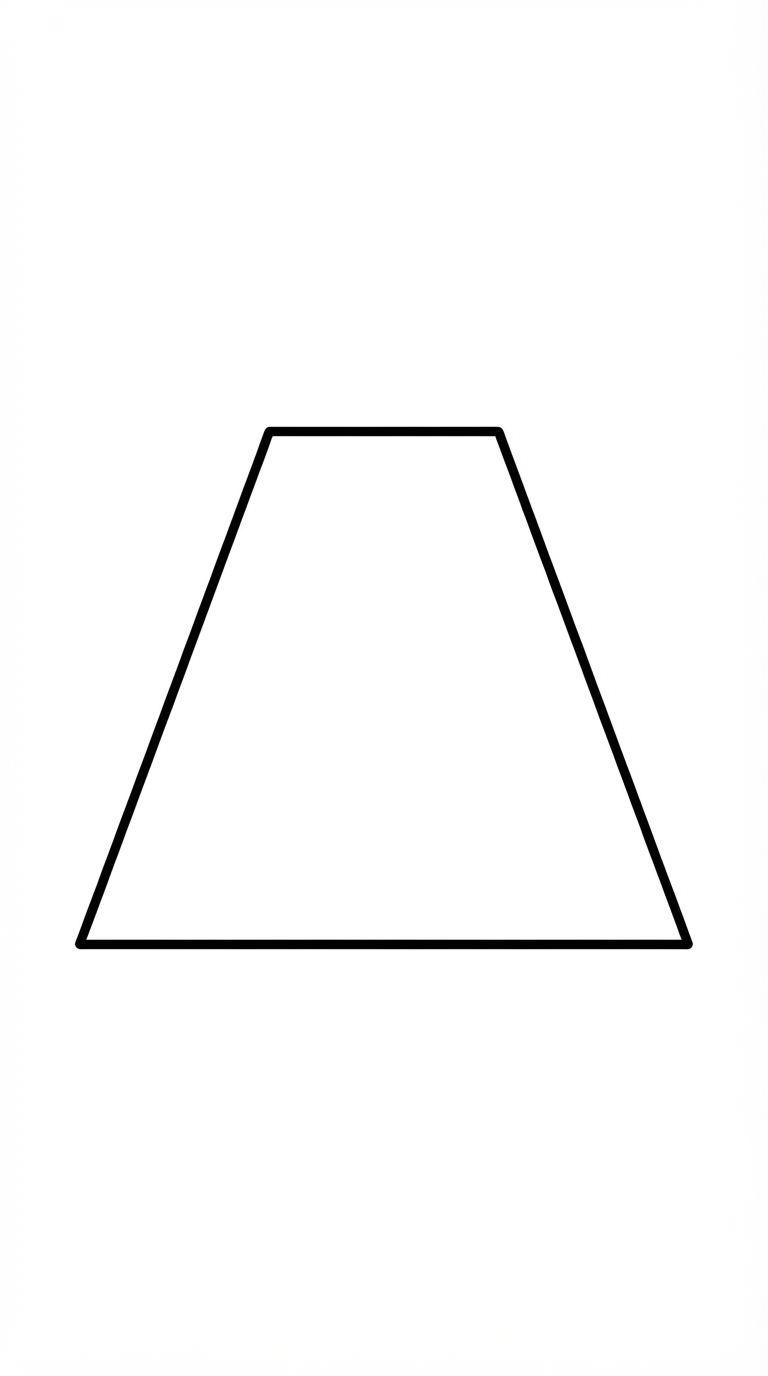
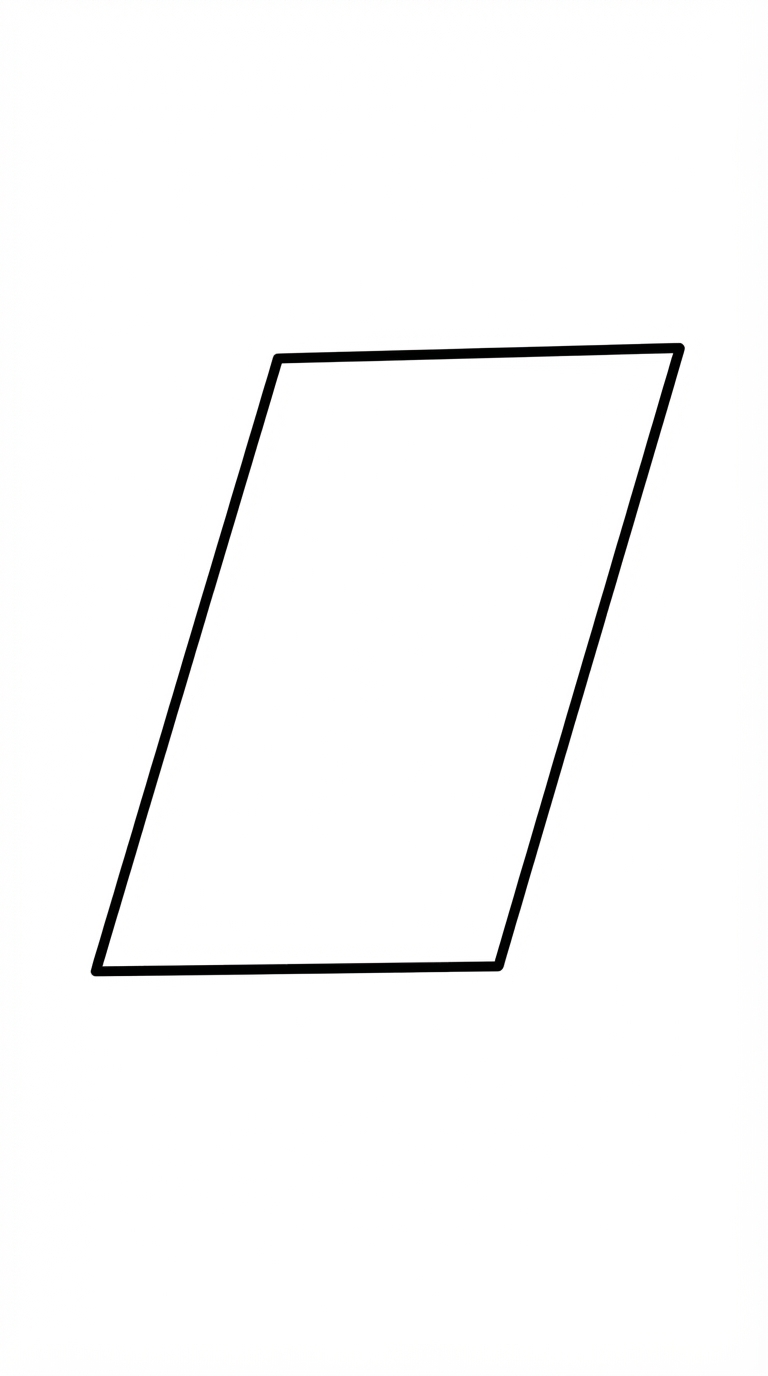
Cut out the shapes below and paste each into the box matching its number of parallel side pairs.
Zero Parallel Pairs
One Pair of Parallel Sides
Two Pairs of Parallel Sides
Three Pairs of Parallel Sides
Cut out the pictures below and paste each one in the right box.

PREVIEW · mylessonkit.com
mylessonkit.com/store/linear-logic-studio
mylessonkit.com/store/linear-logic-studio
mylessonkit.com/store/linear-logic-studio
preview · mylessonkit.com/store/linear-logic-studio